

If you want the short answer: Kadence is the best all-around WordPress theme for most affiliate and product review sites in 2026. It’s fast, Gutenberg-native, and gives you solid starter templates without the performance overhead that kills your Core Web Vitals scores. Right behind it, GeneratePress and Astra round out the top three for different reasons.
Here’s the quick shortlist before we go deeper:
- Kadence — Best overall for performance-first review blogs
- GeneratePress — Best for scalable sites where page speed is non-negotiable
- Astra — Best for affiliate sites that need lots of demo starters and design flexibility
- REHub — Best for coupon and price-comparison sites with built-in monetization
- Blocksy — Best for block-editor users who want visual flexibility without bloat
- Divi — Best for design-heavy sites that need drag-and-drop control
- Neve — Best for quick-launch sites with mobile-first templates
- Schema — Best for publishers prioritizing structured data and snippet visibility
- Authority Pro — Best for personal-brand bloggers building authority sites
- Clipper — Best for coupon sites needing built-in link management
- Hello Elementor — Best as a blank-canvas base for Elementor-powered builds
- SuperbThemes — Best for beginners wanting curated, niche-ready free options
With over 7,400 WordPress themes available, picking the right one without a focused framework wastes weeks. The themes above were chosen because they satisfy the criteria that actually move affiliate revenue: Core Web Vitals performance, review schema support, comparison-table compatibility, and mobile-first layouts. A theme alone won’t drive conversions, as WPBeginner’s 2026 roundup makes clear — but the wrong theme will actively hold you back.
Key Takeaways
The single most important decision for any affiliate site is choosing a theme that passes Core Web Vitals on a clean install and supports review schema, either natively or through a lightweight plugin.
| Point | Details |
|---|---|
| Best overall pick | Kadence delivers the strongest balance of speed, block-editor support, and starter templates for most affiliate review sites. |
| Best for raw speed | GeneratePress has the lightest codebase and is the right choice when Core Web Vitals scores are your top priority. |
| Best for built-in monetization | REHub bundles comparison tables, coupon blocks, and deal widgets, making it the most purpose-built option for coupon and comparison sites. |
| Plugin stack matters as much as the theme | A lean stack (Pretty Links, Rank Math, WP Table Builder, WP Rocket) turns any performance-first theme into a complete affiliate setup. |
| Willbuckley coaching | Willbuckley’s coaching covers theme selection, schema setup, and lean stack configuration for affiliate marketers who want a guided path. |
Table of Contents
- How the top WordPress themes for affiliates compare at a glance
- Mini-reviews: which theme actually fits your affiliate site?
- How we evaluated these themes for affiliate marketing
- How to choose the right theme for your affiliate site
- Essential plugins that make any affiliate theme work harder
- Which theme would I actually choose for each affiliate strategy?
- Willbuckley’s coaching can shortcut your theme setup
- Sources
How the top WordPress themes for affiliates compare at a glance
| Theme | Best for | Price | Performance | Affiliate features | Starter templates | Builder compatibility | Customization ease |
|---|---|---|---|---|---|---|---|
| Kadence | Performance-first review blogs | Free / Pro ~$169/yr | Excellent | Review blocks, schema-ready | Yes | Gutenberg, Kadence Blocks | Low learning curve |
| GeneratePress | Scalable review sites | Free / Pro ~$59/yr | Excellent | Minimal native; plugin-dependent | Limited | Gutenberg, Elementor | Moderate |
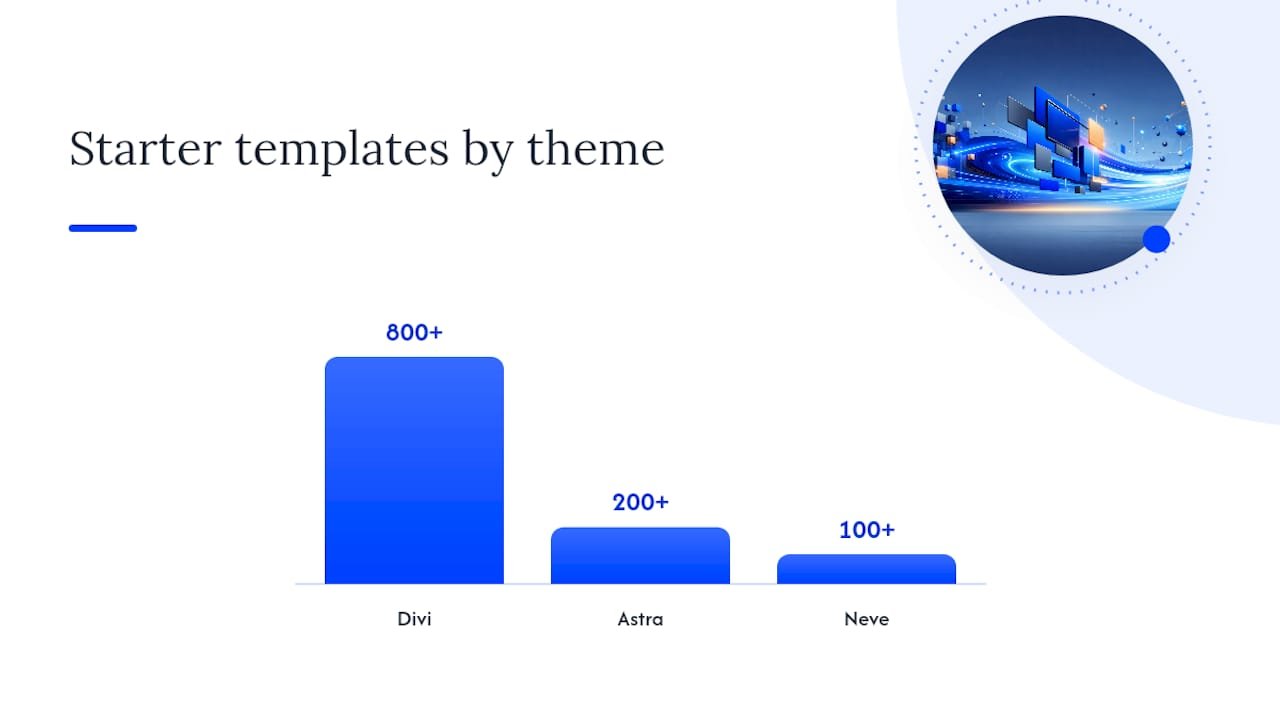
| Astra | Design-flexible affiliate sites | Free / Pro ~$47/yr | Very good | Plugin-compatible | 200+ | Elementor, Beaver Builder | Low |
| REHub | Coupon and comparison sites | Premium ~$69 | Good | Comparison tables, coupon blocks, deals | Yes | Elementor, WPBakery | Steeper curve |
| Blocksy | Block-editor visual builds | Free / Pro ~$49/yr | Excellent | Modular; plugin-compatible | Yes | Gutenberg | Low |
| Divi | Design-heavy drag-and-drop sites | ~$89/yr or $249 lifetime | Moderate | Layout-focused; plugin-dependent | 800+ | Divi Builder | Moderate |
| Neve | Quick-launch mobile-first sites | Free / Pro ~$69/yr | Very good | Plugin-compatible | 100+ | Elementor, Gutenberg | Low |
| Schema | Snippet-focused publishers | Premium ~$35 | Good | SEO/schema-focused | Limited | Gutenberg | Moderate |
| Authority Pro | Personal-brand authority sites | Premium ~$129 | Good | Conversion layouts | Limited | Gutenberg | Low |
| Clipper | Coupon and deal aggregators | Premium ~$59 | Good | Coupon management, link cloaking | Limited | Gutenberg | Moderate |
| Hello Elementor | Elementor-powered blank-canvas builds | Free | Excellent | None native; fully plugin-dependent | None | Elementor | Low (with Elementor) |
| SuperbThemes | Beginners wanting niche-ready free themes | Free / Pro varies | Good | Basic; plugin-dependent | Yes | Gutenberg | Low |
The clearest trade-off in this table: Kadence, GeneratePress, and Blocksy lead on raw performance, while REHub and Clipper lead on built-in affiliate tooling. You rarely get both in one package, which is why the plugin stack you pair with your theme matters just as much as the theme itself.
Mini-reviews: which theme actually fits your affiliate site?
Kadence
Kadence earns its top spot by doing the hard things right. The free version on WordPress is genuinely usable, and the Pro tier adds global color palettes, header/footer builder, and WooCommerce hooks that affiliate sites need. Its Kadence Blocks plugin integrates tightly with the Gutenberg editor, so you can build review layouts, star-rating blocks, and comparison rows without a separate page builder. Page load times are consistently lean, and the theme passes Core Web Vitals benchmarks on most hosting setups without heavy optimization work.
Pros: Native block-editor support, fast out of the box, strong starter templates
Cons: Some advanced features require the Pro tier, smaller template library than Astra
Best for: Review bloggers who want speed and block-editor flexibility
Pricing note: Free on WordPress.org; Pro starts around $169/year
GeneratePress
GeneratePress is the theme you choose when page speed is the only metric that matters. Its codebase is minimal by design, which means almost no layout opinions baked in. That’s a feature, not a bug, for affiliate publishers who want full control. The trade-off is that you’ll rely on plugins or custom CSS for review-specific features like star ratings and comparison tables. Think of it as the cleanest possible foundation.
Pros: Exceptional performance scores, stable and well-maintained, lightweight HTML output
Cons: Minimal native affiliate features, limited free starter templates
Best for: Scalable review sites where Core Web Vitals are a priority
Pricing note: Free on WordPress.org; Premium around $59/year
Astra
Astra is the most popular choice for affiliate marketers who want to launch fast with a polished look. Its library of 200+ starter templates covers dozens of niches, and it plays well with Elementor, Beaver Builder, and Gutenberg. Native affiliate features are limited, but Astra’s compatibility with plugins like AAWP and WP Table Builder fills that gap quickly. If you’re building your first review site and want something that looks professional on day one, Astra is hard to beat.
Pros: Huge starter template library, broad plugin compatibility, beginner-friendly
Cons: Can get heavy with multiple plugins added, less opinionated on performance than Kadence
Best for: Affiliate sites that need design flexibility and fast setup
Pricing note: Free on WordPress.org; Pro around $47/year
REHub
REHub is the most feature-dense option on this list. It ships with built-in comparison tables, deal blocks, coupon management, price-comparison widgets, and affiliate-link handling. If you’re running a coupon site or a price-comparison directory, REHub removes the need for several plugins. The learning curve is real, and the theme’s codebase is heavier than performance-first options. But for monetization-focused publishers who want everything in one package, it’s the most purpose-built choice available.
Pros: Built-in comparison tables, coupon blocks, deal widgets, strong monetization focus
Cons: Heavier codebase, steeper setup curve, more complex than most affiliates need
Best for: Coupon and price-comparison affiliate sites
Pricing note: Premium, around $69 one-time via ThemeForest
Blocksy
Blocksy sits in a sweet spot between performance and visual flexibility. Its modular header builder and lightweight code make it a strong Gutenberg-native option, and the free version covers most of what a content-focused affiliate site needs. The Pro tier adds WooCommerce hooks, custom sidebars, and advanced typography controls. It’s a quieter recommendation than Kadence, but affiliate publishers who live in the block editor will find it just as capable.
Pros: Lightweight, Gutenberg-native, modular header builder
Cons: Smaller community than Astra or Kadence, fewer niche-specific templates
Best for: Block-editor users who want visual control without performance overhead
Pricing note: Free; Pro around $49/year
Divi
Divi is a full website-building platform, not just a theme. Its visual builder and library of 800+ prebuilt layouts make it attractive for design-heavy affiliate sites. The performance trade-off is real: Divi adds significant JavaScript and CSS overhead compared to block-native themes. If your affiliate strategy depends on highly custom landing pages and you’re comfortable optimizing for speed separately, Divi works. If Core Web Vitals are your primary concern, look elsewhere.
Pros: Drag-and-drop builder, massive template library, lifetime license option
Cons: Heavier page weight, performance optimization requires extra effort
Best for: Design-heavy affiliate sites that need full visual control
Pricing note: Around $89/year or $249 lifetime
Neve
Neve is a solid pick for affiliate marketers who want to launch quickly with a mobile-first design. Its starter sites are polished, and it works with Elementor, Gutenberg, and Beaver Builder. Native affiliate features are minimal, but Neve’s speed and template quality make it a reliable base. It’s particularly strong for niches where mobile traffic dominates.
Pros: Fast, mobile-first templates, multi-builder compatible
Cons: Limited native affiliate features, less distinctive than Kadence or Blocksy
Best for: Quick-launch affiliate sites prioritizing mobile UX
Pricing note: Free; Pro around $69/year
Schema
Schema is built around one idea: getting your content into Google’s rich results. It ships with structured data support and SEO-focused layout patterns that help review content earn star ratings and product snippets in search. The design is dated compared to modern block-native themes, and the template library is thin. But for affiliate publishers whose traffic depends heavily on organic snippet visibility, Schema’s focus is genuinely useful.
Pros: Strong structured data support, SEO-focused layout
Cons: Dated design, thin template library, limited builder compatibility
Best for: Publishers prioritizing review snippets and SERP visibility
Pricing note: Premium, around $35
Authority Pro
Authority Pro is designed for the personal-brand affiliate blogger who wants a site that builds trust as much as it drives clicks. Its homepage patterns emphasize author credibility, email opt-ins, and conversion-focused layouts. It’s not the fastest theme on this list, but for content-first authority sites where the blogger’s voice is the product, it fits well.
Pros: Conversion-oriented layouts, author-focused design, clean typography
Cons: Limited template variety, not performance-optimized for heavy review sites
Best for: Personal-brand affiliates and authority bloggers
Pricing note: Premium, around $129
Clipper
Clipper is purpose-built for coupon and deal sites. It includes coupon management, affiliate link handling, and basic click tracking out of the box. If your affiliate model is built around aggregating deals and discount codes, Clipper removes the need for a dedicated coupon plugin. It’s narrow in scope, which is exactly the point.
Pros: Built-in coupon management, affiliate link handling, deal-focused layouts
Cons: Very narrow use case, limited design flexibility
Best for: Coupon aggregators and deal sites
Pricing note: Premium, around $59
Hello Elementor
Hello Elementor is Elementor’s own blank-canvas theme. It has almost no styling of its own, which makes it the lightest possible base for an Elementor-powered build. Every design decision lives in the Elementor editor. If you’re already committed to Elementor as your builder, Hello Elementor is the correct pairing. Without Elementor, it offers nothing.
Pros: Extremely lightweight, perfect Elementor compatibility, free
Cons: Zero native features, entirely dependent on Elementor for design and functionality
Best for: Elementor-first affiliate site builds
Pricing note: Free
SuperbThemes
SuperbThemes offers a curated collection of free and low-cost themes aimed at bloggers and affiliate publishers. The themes are clean, Gutenberg-compatible, and beginner-friendly. They won’t win any performance benchmarks against Kadence or GeneratePress, but for a first affiliate site on a tight budget, they’re a reasonable starting point. Advanced affiliate features require plugins.
Pros: Free options available, beginner-friendly, clean designs
Cons: Limited advanced features, less performance-optimized than top picks
Best for: Beginners launching a first affiliate site on a budget
Pricing note: Free and paid tiers; pricing varies by theme
Pro Tip: Free themes in the WordPress directory often lack built-in affiliate tools entirely. Budget for at least one or two plugins to cover link management and comparison tables, regardless of which theme you choose.
How we evaluated these themes for affiliate marketing
Selecting the right theme requires testing against criteria that actually affect affiliate revenue, not just aesthetics. Here’s the framework used to build this shortlist.
What we measured:
- Core Web Vitals performance — Largest Contentful Paint, Cumulative Layout Shift, and Interaction to Next Paint scores using Google PageSpeed Insights on a clean install
- Demo import speed and quality — How quickly a starter template loads and how close it is to a production-ready affiliate layout
- Review schema and structured data support — Whether the theme natively outputs review markup or requires a plugin
- Comparison table availability — Native blocks, shortcodes, or documented plugin compatibility for side-by-side product comparisons
- Mobile UX — Layout behavior on 375px and 390px viewports, CTA button sizing, and readability
- Plugin compatibility — Tested against AAWP, WP Table Builder, Rank Math, and WP Rocket on each theme
- Update cadence and support quality — Active installation counts on WordPress.org, changelog frequency, and documented support channels
What we didn’t test: Revenue outcomes, conversion rates, or long-term SEO performance. Those depend on your content, niche, and traffic strategy, not the theme alone.
Editorial disclosure: This shortlist reflects Willbuckley’s editorial judgment, informed by the criteria above. Willbuckley earns affiliate commissions on some theme recommendations. Themes were evaluated on merit; no vendor paid for placement.
How to choose the right theme for your affiliate site
The right theme depends on your affiliate model, your technical comfort level, and your traffic goals. Work through these questions before you buy.
Decision checklist:
- Does the theme pass Core Web Vitals on a clean install? Run the demo URL through PageSpeed Insights before purchasing.
- Does it support review schema natively, or will you need a plugin like Rank Math or Schema Pro?
- Can you build comparison tables without a heavy page builder? Native blocks or a lightweight plugin are preferable.
- Does it include a mobile-first starter template close to your niche?
- Is the update cadence active? Check the WordPress.org changelog or the vendor’s release history.
- What’s the licensing model? Yearly subscriptions vs. lifetime licenses affect long-term cost significantly.
- Is it compatible with your preferred caching plugin (WP Rocket, W3 Total Cache, LiteSpeed Cache)?
Red flags to watch for:
- Themes that require a specific page builder for basic review layouts lock you into that builder’s performance overhead
- Missing structured data support means your review content won’t earn rich snippets without extra plugin work
- No mobile demo or a mobile layout that breaks on common viewport sizes
- Vague or absent update/support documentation
- Themes marketed as “affiliate-ready” that only offer banner placement and no comparison or schema features
WPBeginner’s 2026 roundup makes the point plainly: theme marketing language rarely tells you what you need to know. Focus on the feature checklist above, not the vendor’s homepage copy.
Essential plugins that make any affiliate theme work harder
A performance-first theme is the foundation, but the right plugin stack is what turns it into a revenue-generating machine. Here’s the lean stack that works well with Gutenberg-native themes like Kadence and GeneratePress.
Priority plugin list:
- Affiliate link manager: Pretty Links or ThirstyAffiliates for link cloaking, click tracking, and organized link management
- Review and schema plugin: Rank Math (free) or Schema Pro for outputting structured data that earns star ratings in search results
- Comparison table plugin: WP Table Builder or Ninja Tables for side-by-side product comparisons when your theme doesn’t include native comparison blocks
- Caching: WP Rocket or LiteSpeed Cache to protect Core Web Vitals scores after plugins are added
- Image optimization: ShortPixel or Imagify to compress product images without quality loss
- Analytics: MonsterInsights or a direct GA4 integration to track affiliate link clicks and conversion paths
Setup order matters. Install your theme first, run a baseline PageSpeed Insights test, then add plugins one at a time and retest after each addition. This tells you exactly which plugin is causing a performance drop.
Pro Tip: Themes like Converto and Mercury bundle comparison blocks and review schema natively, which reduces your plugin count. If you’re building a review-heavy site and want fewer moving parts, purpose-built themes like these are worth evaluating alongside the general-purpose options above.
Structured data is the plugin layer most affiliates underinvest in. When Rank Math or Schema Pro outputs proper Review and Product schema, your content becomes eligible for rich snippet treatment in Google Search, which directly affects click-through rates on review pages. That’s not a nice-to-have for affiliate publishers — it’s a core part of the traffic strategy.
Which theme would I actually choose for each affiliate strategy?
Here’s the honest, opinionated answer based on affiliate strategy type.
For a niche review blog (tech, health, finance): Kadence with Kadence Blocks and Rank Math. The block-editor workflow is fast, the performance scores are strong, and you can build review layouts without a page builder. Add AAWP for Amazon product boxes and WP Table Builder for comparisons, and you have a complete stack.
For a data-heavy comparison directory (software, SaaS, tools): REHub is the most purpose-built option, but its complexity is real. If you’re comfortable with the setup curve, it saves you from assembling five separate plugins.
For a coupon or deal micro-site: Clipper is the narrowest and most purpose-fit choice. Its built-in coupon management and link handling are exactly what deal aggregators need. REHub is a close second if you want more design flexibility.
For a content-first authority blog: GeneratePress or Authority Pro, depending on whether performance or personal-brand design is your priority. GeneratePress wins on speed; Authority Pro wins on conversion-oriented homepage layouts.
One note: if you want hands-on help selecting and configuring your theme and plugin stack, Willbuckley’s coaching resources cover exactly this kind of setup work.
Willbuckley’s coaching can shortcut your theme setup
Picking a theme is one decision. Getting your full affiliate stack configured correctly — schema, comparison tables, caching, link management, and AI-driven content workflows — is where most affiliate marketers lose weeks.

Willbuckley’s coaching walks you through theme selection, lean stack setup, and schema implementation in a structured, step-by-step format. Instead of piecing together tutorials from a dozen different sources, you get a clear path from a blank WordPress install to a conversion-ready affiliate site. The editorial recommendations in this article are independent; coaching is an optional paid step for readers who want direct guidance rather than DIY trial and error.
If you’re ready to move faster, visit the Willbuckley coaching page to see what a typical engagement covers. You can also browse the Willbuckley blog for free tips on AI-driven affiliate workflows before committing to anything.
Sources
- 23 Best WordPress Themes for Affiliate Marketing (2026) | WPBeginner
- The Best WordPress Themes for Affiliate Marketing – AAWP
- Affiliate WordPress Theme for Review Sites | Converto
- Mercury – Affiliate Marketing WordPress Theme. Reviews & Top Lists