

If you run an affiliate site, your top priority is proving you are a real, trustworthy source: clear disclosures placed right next to your links, documented firsthand experience with what you recommend, and author credentials readers can actually verify. Everything else in Google’s trust framework builds on those three things.
TL;DR:
- Place a plain commission disclosure beside each affiliate link, before social post cutoffs, and in video descriptions; say it near the start of each review.
- Record each test date and product model, then add an original photo, screenshot, or video, plus a link to a primary source.
- Link each byline to a bio naming relevant experience and tested products, and use Person and Article schema to connect the author’s identity across posts.
- Within 30 to 90 days, publish one topic pillar and five to eight supporting reviews, then connect them with internal links.
- Add Article or BlogPosting schema with author and update dates, maintain a revision log, use canonical tags, and test changes in Google’s Rich Results Test.
Table of Contents
- A practical E-E-A-T checklist for affiliate posts
- FTC and disclosure specifics every affiliate site must follow
- Author signals and on-page authoritativeness
- Evidence, case studies, and sitewide proof
- Content quality, topical authority, and internal linking for affiliates
- Technical signals and structured data
- Off-site trust building: backlinks, guest spots, and expert mentions
- Author perspective: my practical approach to E-E-A-T for affiliates
- Resources that put this guide into practice
- FAQ
- Sources
A practical E-E-A-T checklist for affiliate posts
Think of every affiliate post as needing proof, not just opinion. Readers and search engines both want to see that you actually used the product, not that you summarized a spec sheet.
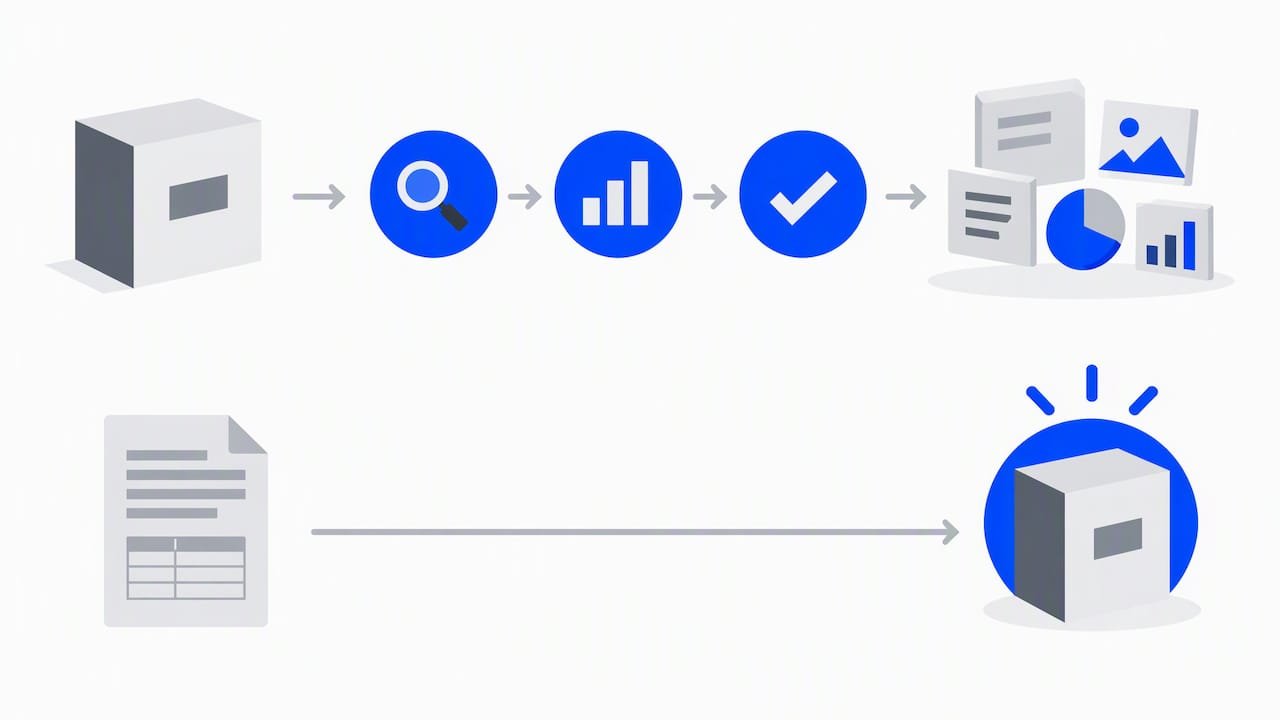
Start with firsthand experience. Add test notes with dates, mention the specific version or model you tried, and include your own photos or a short video walkthrough where it makes sense. A screenshot of your own dashboard or results beats a stock image every time.
Here is what belongs on nearly every review or recommendation post:
- A disclosure sentence placed right above or beside the first affiliate link, not buried in a footer
- An author byline linking to a bio page with relevant experience
- At least one outbound link to a primary source, study, or official guide
- One original photo, screenshot, or short video proving you tested the product
For disclosure wording, something like “I receive a commission for purchases made through links in this post” works well because it is plain and specific. You can see more copyable versions in our affiliate disclosure examples.
Pro Tip: Put your disclosure in the same font size as your body text, never in light gray or tiny print.
FTC and disclosure specifics every affiliate site must follow
The Federal Trade Commission’s guidance is clear about what counts as adequate disclosure, and “clear and conspicuous” has a specific meaning: readers should not have to search, click, or guess to find out you earn a commission. The FTC’s endorsement guidelines call for disclosures placed close to the link or recommendation itself, written in plain language.
Here is a simple way to apply that across your site:
- Place a disclosure sentence directly above or beside each affiliate link, not just once at the top of the page
- Use plain wording such as “I receive a commission for purchases made through links in this post”
- Repeat the disclosure in video descriptions and verbally near the start of any video review
- Audit every post type separately, since blog posts, social captions, and videos each need their own visible disclosure
- Avoid vague shorthand like “sponsored” alone when a clearer explanation fits
Different formats need different handling. A long-form review might include a disclosure box near the introduction and again near the comparison table, while a short social post needs the disclosure in the first few words, before any “see more” cutoff.
Author signals and on-page authoritativeness
Readers trust a name they can check. Your author bio should state your actual experience with the niche, name specific products you have tested, and link to a fuller bio page or case study showing your work.
A strong author profile includes:
- A short bio stating relevant experience and how long you have worked in the space
- Links to a case study or results page that backs up any claims you make
- A photo and, where relevant, a note about guest contributions from other practitioners
- Person and Article schema markup so search engines can connect your name to your content
Person schema paired with Article or BlogPosting schema helps search engines associate your byline with a consistent identity across posts. Refresh your author page whenever you add a major new test, case study, or credential, since a stale bio undercuts the freshness signals the rest of your site is building.
Evidence, case studies, and sitewide proof
A single glowing review convinces almost nobody. A documented case study with dates, metrics, and screenshots does the work instead. According to Search Engine Land’s E-E-A-T guide, demonstrating real experience and expertise helps content earn citations in AI-generated summaries, not just traditional rankings.
When you summarize a case study on a post, include:
- The date range the data covers
- The specific metric that changed and by how much
- A screenshot of the raw numbers, not just a chart
- A link to the full case study page for readers who want the details
Google treats trustworthiness as the most heavily weighted part of its quality framework, meaning a page that looks polished but cannot back up its claims will struggle to rank regardless of how experienced the author seems, according to Moz’s E-E-A-T guide. Our own affiliate marketing case study and cookieless tracking walkthrough are built around exactly this kind of verifiable detail, so readers can see the setup and the results side by side.
Content quality, topical authority, and internal linking for affiliates
Google’s quality raters reward sites that cover a topic completely, not just one post at a time. Build a pillar page on your core topic, then link out to supporting reviews that each cover one product or comparison in depth.
A workable structure looks like this:
- One pillar page summarizing the category, linking to every related review
- A standardized review template used across every product post, so readers know what to expect
- Review schema markup on each product post to surface star ratings in search results
- Internal links from older posts pointing to newer, more detailed ones as you publish them
Our AI-assisted affiliate review template gives you a repeatable structure for this. Over 30 to 90 days, aim to publish one pillar page, five to eight supporting reviews, and a round of internal links connecting them all.
Technical signals and structured data
A few technical details quietly reinforce every trust signal you have already built. Get these right and both readers and crawlers find your proof faster.
- Add Article or BlogPosting schema with author, publish date, and last-updated date
- Add Review or AggregateRating schema on product pages where you give a genuine rating
- Keep a visible “last updated” date and a short changelog for major revisions
- Set a self-referencing canonical tag on every page to avoid duplicate-content confusion
- Run a mobile usability and page speed check, since slow or broken mobile pages undercut trust regardless of content quality
Pro Tip: Test every schema change with Google’s Rich Results Test and confirm indexing in Search Console before moving to the next page.
Off-site trust building: backlinks, guest spots, and expert mentions
Authority does not only come from your own pages. Guest posts and expert interviews on respected sites in your niche earn citations that Google reads as third-party validation.
A few practical moves:
- Pitch guest posts to niche sites that already rank for your target topics
- Interview a practitioner with real results and publish the exchange as a case study
- Use partner testimonials and co-branded case studies as natural link opportunities
- Monitor mentions of your site and respond openly, even to criticism
If you want a structured way to audit disclosure and link health across a growing site, the FTC disclosure audit guide walks through a practical six-step process worth adapting.
Author perspective: my practical approach to E-E-A-T for affiliates
I built my coaching and AI workflows around the same principle running through this guide: proof beats polish. Every template, case study, and tracking walkthrough on this site exists because I used it first and kept the receipts. That is the habit I try to pass on to the marketers I coach.
— Will
Resources that put this guide into practice
Reading about E-E-A-T is one thing. Implementing it across a growing site is another, and that is where our resources come in. The real affiliate marketing case study shows exactly how we document results with dates and screenshots, useful if you want a template to copy. If you need auditable earnings data to back up your own claims, our cookieless tracking setup guide gets you there in about an hour.

For a full workflow from content creation to disclosure to publishing, start with our YouTube affiliate marketing guide.
FAQ
Can I use ChatGPT for affiliate marketing?
Yes, many affiliate marketers use AI tools like ChatGPT to draft outlines, speed up research, and structure reviews, but the firsthand testing, photos, and personal conclusions still need to come from you. Google’s quality raters look for genuine experience behind the content, not just well-organized text.
What are the guidelines for Google E-E-A-T content?
Google’s E-E-A-T framework asks raters to judge content on experience, expertise, authoritativeness, and trust, with trust weighted as the most critical factor according to Moz’s explainer. Practically, that means visible author credentials, documented firsthand use of products, and transparent sourcing throughout a site.
Is SEO still worth it in 2026?
SEO remains worth pursuing because search traffic continues to reward sites that demonstrate real expertise and trustworthy sourcing, even as AI summaries change how results are displayed. Sites that invest in topical authority and verifiable evidence tend to hold up better through algorithm changes than thin, templated content.
Can a beginner do SEO?
Yes, a beginner can learn SEO by starting with one well-documented topic cluster, a clear disclosure practice, and a simple review template rather than trying to cover everything at once. Building firsthand experience and author credibility from the start makes it easier to earn trust as the site grows.
Sources
- What is Google E-E-A-T? Guidelines and SEO Benefits – Moz
- FTC’s Endorsement Guides: What People Are Asking | Federal Trade Commission
- An SEO guide to understanding E-E-A-T – Search Engine Land