

Protect your highest-revenue work with scheduled time blocks, prioritize using the Eisenhower Matrix, and remove repetitive tasks with small automations. That combination beats any single hack. Start today: run a 48-hour time audit or block a 90-minute deep-work session right now, before your inbox pulls you somewhere else.
TL;DR:
- Focus only on tasks that directly generate revenue or strengthen partner relationships, cutting or delaying all others to maximize impact and efficiency.
- Use a 48 to 72-hour time audit to identify reactive work that consumes over 20 minutes without progress and prioritize only two to four major projects weekly.
- Structure your day around four fixed blocks, combining focused sprints with the 1-3-5 task rule and batching similar activities for optimal rhythm.
- Automate repetitive tasks that take more than two hours weekly, such as link checks and metric alerts, to reclaim hours and reduce manual effort.
- Protect peak energy hours for high-focus work, take scheduled breaks, and limit planning to 30-60 minutes weekly to prevent overplanning and avoid burnout.
Table of Contents
- 1. The highest-impact time management moves for affiliates
- 2. How do you turn priorities into a weekly plan?
- 3. Daily templates for time blocking, Pomodoro, and batching
- 4. Small automations and tools that save hours each week
- 5. Habits that keep your systems from falling apart
- 6. Quick fixes for the time management mistakes affiliates make most
- 7. Practical, AI-friendly affiliate workflows
- Why systems beat willpower for affiliates
- FAQ
- Sources
1. The highest-impact time management moves for affiliates
If you only change a handful of things, change these. Each one pays for itself within a week.
- Prioritize by impact first: map every task to revenue or a partner relationship, then drop or delay anything that touches neither.
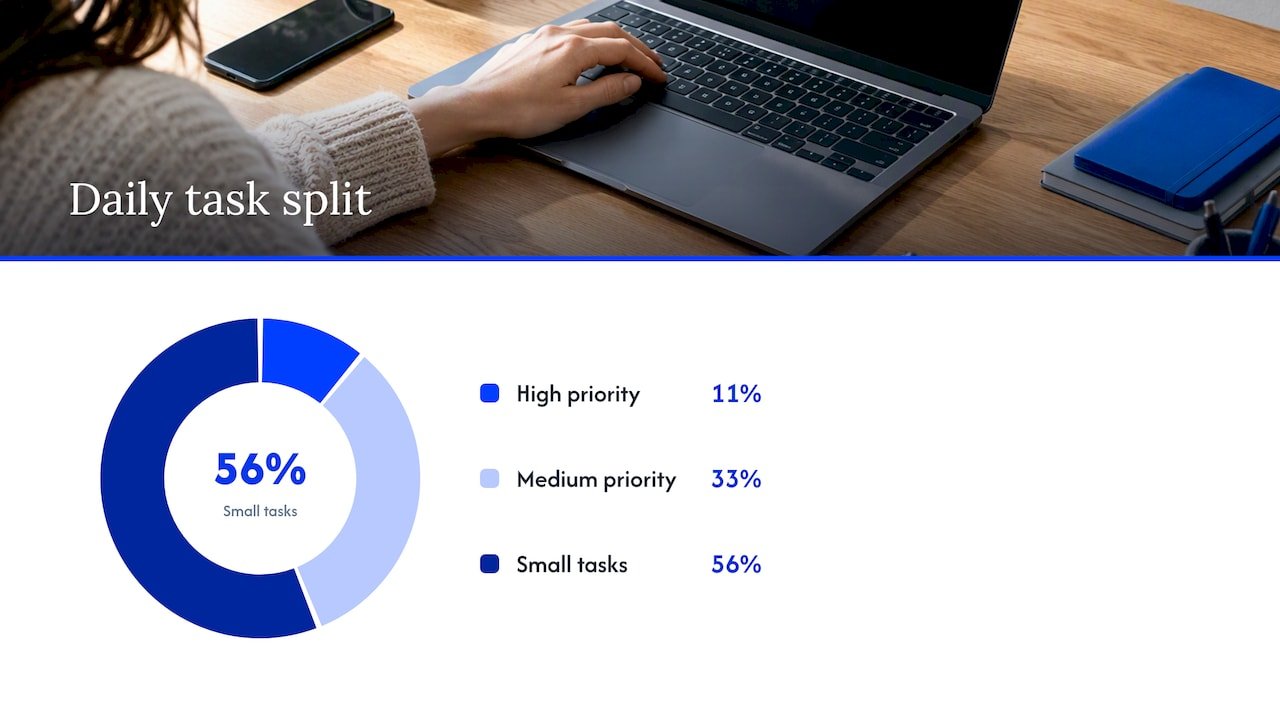
- Adopt the 1-3-5 rule daily: a balanced mix of big, medium, and small tasks keeps your to-do list manageable within a day.
- Protect one or two deep-work blocks: guard a focused time block for content creation or offer research the way you would guard a client call.
- Batch similar work: group outreach, link checks, and data reviews into dedicated blocks instead of scattering them across the day.
- Automate what repeats: link audits, report summaries, and content repurposing are strong candidates for a simple automation.
- Run a weekly review: set aside regular time each week to check what worked and reset priorities for the coming days.
The order matters less than picking two or three and sticking with them. Atlassian’s roundup of time management strategies makes a point worth repeating: no single framework beats the rest, so pick one that fits your workflow and run it consistently instead of switching systems every month.
Pro Tip: Write your 1-3-5 list the night before. Deciding what matters while your brain is still in work mode beats deciding at 7 AM with a cold coffee.
2. How do you turn priorities into a weekly plan?
Before you can prioritize anything, you need to know where your hours actually go. Most affiliates underestimate how much time email, Slack, and “quick checks” eat.
- Track every block of time for 48 to 72 hours, including interruptions, and label each entry as revenue work, maintenance, or reactive noise.
- Review the log and flag anything reactive that ate more than 20 minutes without moving a goal forward.
- Sort what is left using the Eisenhower Matrix: do it now, delegate it, schedule it, or delete it, since research on planning and prioritization links this kind of structured prioritization to better task completion and lower stress.
- Limit yourself to two to four big projects per week that clearly map to revenue or audience growth, not a dozen half-started ideas.
- Translate each weekly priority into a daily 1-3-5 list and drop the big task straight into a calendar block.
Our AI content calendar workflow walks through this same audit-to-plan process if you want a template to copy instead of building one from scratch.
3. Daily templates for time blocking, Pomodoro, and batching
A plan only works if your day has a rhythm. Here is one structure that holds up across different affiliate niches.
- Morning block (8:00 to 9:30 AM): analytics review and planning, done first while your attention is sharpest.
- Mid-morning block (9:45 to 11:30 AM): deep creative work, content drafting, or offer research, protected from messages and notifications.
- Afternoon block (1:00 to 3:00 PM): outreach and partner communication, batched so you are not context-switching between writing and replying.
- Late afternoon block (3:15 to 4:30 PM): link checks, reporting, and admin, grouped together since they use the same low-effort mode of attention.
For the creative block, WGU’s study plan guidance recommends 25-minute focused sprints with 5-minute breaks, and a longer break after four cycles. That rhythm suits analytics and outreach well. For writing or strategy work, stretch it to 45 minutes on and 15 off so you are not interrupted mid-thought. Layer the 1-3-5 rule on top: one big task might be “draft the comparison post,” three medium tasks could be partner follow-ups, and five small ones might be link checks or comment replies.
4. Small automations and tools that save hours each week
You do not need custom software to claw back hours. A few low-friction automations handle most of the repeat work.
- Set up a scheduled link integrity check so broken affiliate links get flagged automatically instead of discovered by a lost sale.
- Create threshold alerts for CPA or CTR so you only look at a dashboard when something actually moves.
- Use a short AI prompt each morning, something like “flag any metric that moved more than 15% versus the 7-day average,” so you review exceptions instead of scrolling every row.
- Build a calendar and Notion setup for time blocking once, then reuse it weekly instead of rebuilding your schedule from scratch.
Our Notion templates for affiliate marketing give you a starting structure for this, and our guide to automating affiliate tasks covers link-fixing workflows in more depth. If you want a partner tool built for this kind of scheduling, Postferry’s SEO automation combines content publishing with a shared social calendar, which is useful if you manage multiple channels at once.
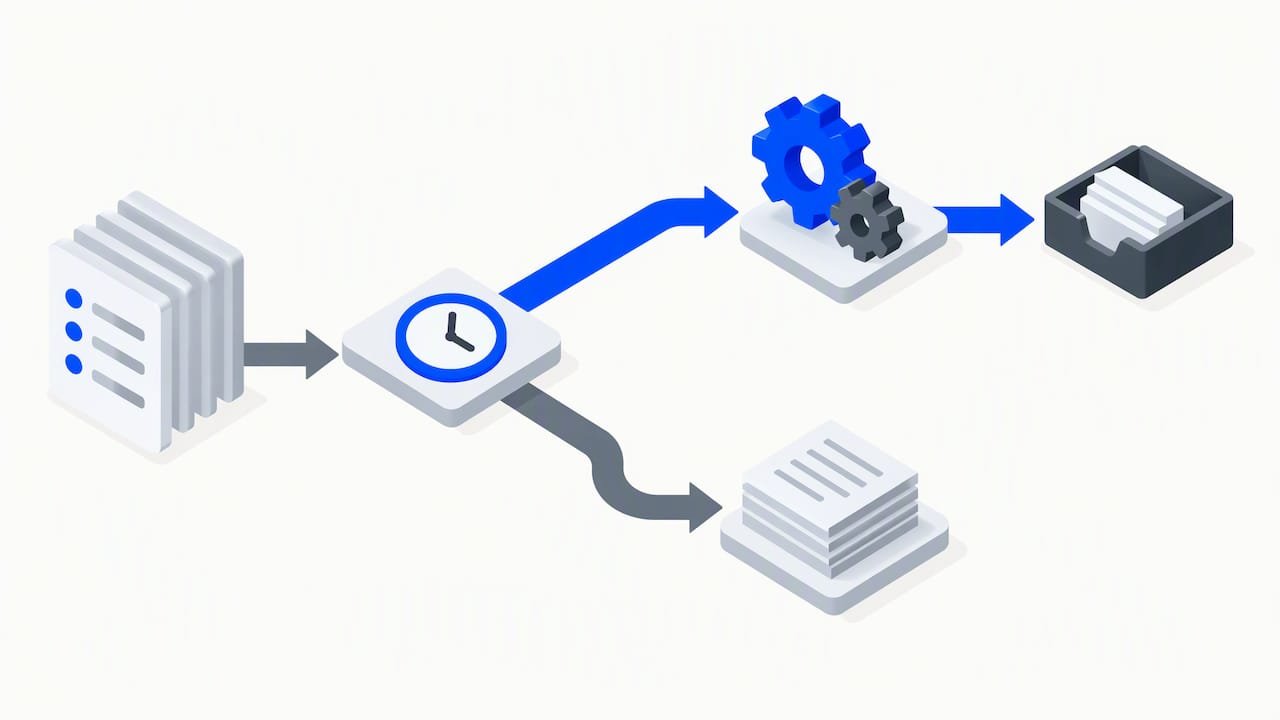
Pro Tip: If a task eats more than two hours a week and follows the same steps every time, automate it or hand it off. Anything under that threshold usually costs more to automate than it saves.
5. Habits that keep your systems from falling apart
Systems break down when energy runs out before the day does. A few habits keep that from happening.
- Protect your peak energy hours for the task that needs the most focus, whether that is writing or strategy, and push low-stakes work to the hours when your attention naturally dips.
- Take a short break every hour and one longer break around midday instead of pushing through in one long stretch.
- Close the day with a five-minute shutdown: note what got done, what carries over, and what tomorrow’s big task will be.
- Hold a weekly preview session to update priorities and the content calendar before the week starts, not during it.
- Keep a short “not-to-do” list of tasks you keep getting pulled into that do not move revenue, and check fixed inbox windows instead of leaving email open all day.
6. Quick fixes for the time management mistakes affiliates make most
A few habits quietly drain more time than people realize, and each one has a fast fix.
- Overplanning: cap weekly planning to 30 to 60 minutes, since Monash University’s guidance on time management warns that planning should enable action, not replace it.
- Inbox-first mornings: set two or three fixed inbox windows a day instead of leaving your inbox open as a constant interruption.
- The switching tax: theme your days around content, outreach, or technical work, since guidance on affiliate time management ties this kind of separation between reactive and proactive work to stronger focus.
- Productive procrastination: pick a tiny, friction-free first step, like opening the draft and writing one sentence, to break the stall.
7. Practical, AI-friendly affiliate workflows
These are rhythms designed to run in under two hours a day combined.
- 30-minute morning metrics check: ask an AI assistant to summarize overnight clicks, conversions, and CTR, and flag anything that moved more than 15% from baseline so you skip the noise.
- 60-minute content production block: outline, draft, then run the draft through an AI-assisted repurposing pass to turn one piece into a short video script and two social posts.
- Weekly automation checklist: confirm scheduled link checks ran, sync your calendar blocks for the coming week, and update outreach templates with any new partner details.
Our ready-to-run AI affiliate workflow recipes walk through each of these in more detail, including the exact prompts we use.
Pro Tip: Run the morning metrics check before you open email. You want your first decision of the day to come from data, not from whatever landed in your inbox overnight.
Why systems beat willpower for affiliates
We used to rebuild our to-do list every morning from memory, which meant the loudest task won, not the most important one. Switching to a fixed morning audit and AI-assisted metrics check freed up close to an hour a day, time we reinvested into testing new offers instead of chasing inbox fires. That shift from reactive to scheduled is what actually compounds. You do not need a perfect system on day one. Pick one technique from this piece, whether that is the 1-3-5 rule or a single automated metrics check, and run it for 14 days before judging it.
— Will
FAQ
What is the best time management method for affiliate marketers?
No single method wins outright, but combining the Eisenhower Matrix for prioritizing, time blocking for scheduling, and Pomodoro for execution covers the three different jobs a schedule needs to do, a combination Toggl’s research on time management methods points to directly. Pick one version of each and stay consistent rather than stacking several similar systems.
How does the 1-3-5 rule work for daily planning?
You list one big task, three medium tasks, and five small tasks for the day, which keeps your workload realistic instead of an endless list you never finish. WGU’s study planning guidance recommends pairing this structure with 25-minute focused work cycles for best results.
How can affiliates avoid burnout while managing multiple tasks?
Protect your peak energy hours for the task that matters most, take real breaks on a schedule instead of waiting until you crash, and separate reactive work like email from proactive, revenue-generating work using fixed inbox windows, a split affiliate-specific time management guidance treats as a core habit of high performers.
What tasks should affiliates automate first?
Start with anything repetitive that takes more than two hours a week, such as link integrity checks, metric summaries, or content repurposing. Our guide to automating affiliate tasks walks through fixing broken links first, since that tends to have the fastest payoff.
How do I stop overplanning and actually get work done?
Limit your planning session to 30 to 60 minutes a week and treat anything longer as a sign your system is too complicated. Monash University’s time management guidance notes that planning should support action, not substitute for it, so simplify whenever planning stops leading to finished work.
Sources
- Frontiers in Education — planning and task prioritization research
- WGU mobilityQA — study plan and focused work recommendations
- Atlassian — time management strategies roundup
- Toggl — time management methods
- Matt McWilliams — time management for affiliate managers